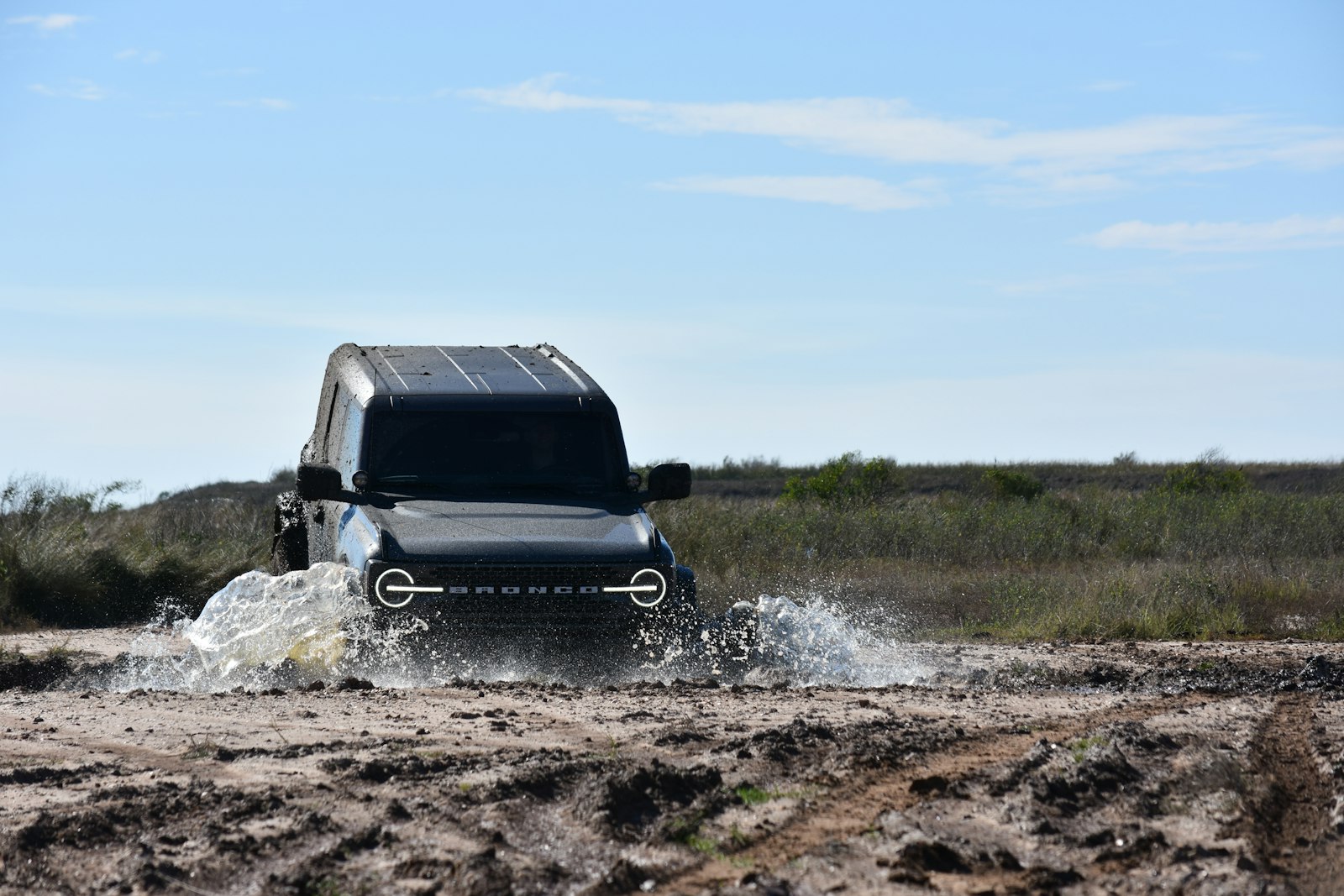
Recovery gear is the one category where cheap and dangerous are frequently the same product. A stretchy tow strap bought for towing on pavement is not rated for the sudden load of a kinetic recovery, and using one that way can turn a stuck truck into a projectile — the recovery hardware itself becomes the hazard. The gap between "something to pull with" and "something rated to pull with" is where most recovery injuries actually happen.
A Kinetic Rope, Not a Tow Strap
A kinetic recovery rope is built to stretch and store energy, then release it smoothly to free a stuck vehicle — the opposite job of a static tow strap, which is built specifically not to stretch. Using a static strap for a kinetic pull sends a jarring shock load through both vehicles' frames, and if the strap or its attachment point fails, that stored energy has nowhere controlled to go.
Buy a kinetic rope rated well above your vehicle's weight, not just matched to it — the rating on the packaging is a breaking point, not a comfortable working load, and trail conditions add force the spec sheet doesn't account for.
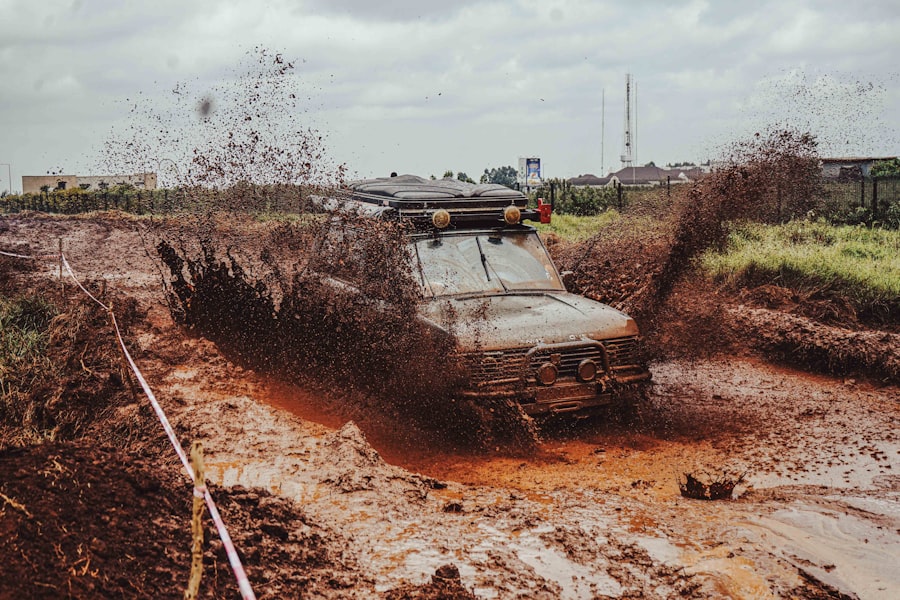
Rated Recovery Points, Bolted to the Frame
The factory tow hooks on most trucks are rated for towing on flat, stable ground — not for absorbing the load of a kinetic recovery on uneven terrain. Aftermarket recovery points bolted directly to the frame are inexpensive relative to what they protect, and they're the difference between a strap pulling the truck and a strap pulling a piece of the truck's bumper off with it.
Check both the front and rear before a trip. A truck that only has a rated point on one end is a truck that can only be recovered facing one direction.
Traction Boards Solve the Problem Before It Needs a Rope
A set of traction boards under spinning tires resolves the majority of mud and sand recoveries without needing another vehicle at all — which matters most on solo trips where there's no second truck to pull with. They're bulkier than a strap and rope kit, but the trips where they earn their space are exactly the trips where nothing else in the kit would have worked alone.
Boards with aggressive teeth on both sides tend to outperform flatter designs in genuinely soft terrain, since half their job is biting into the board itself, not just the ground.