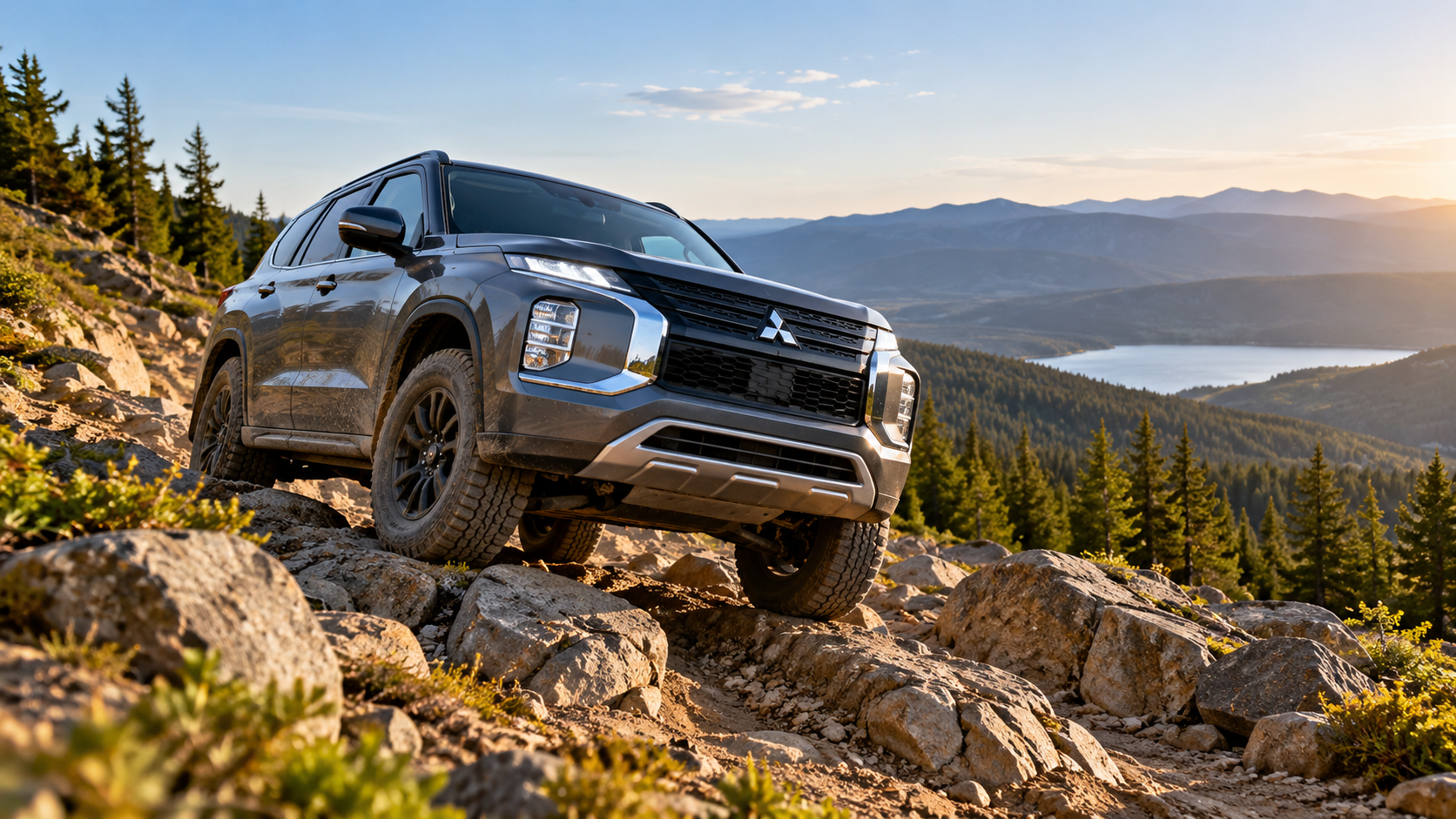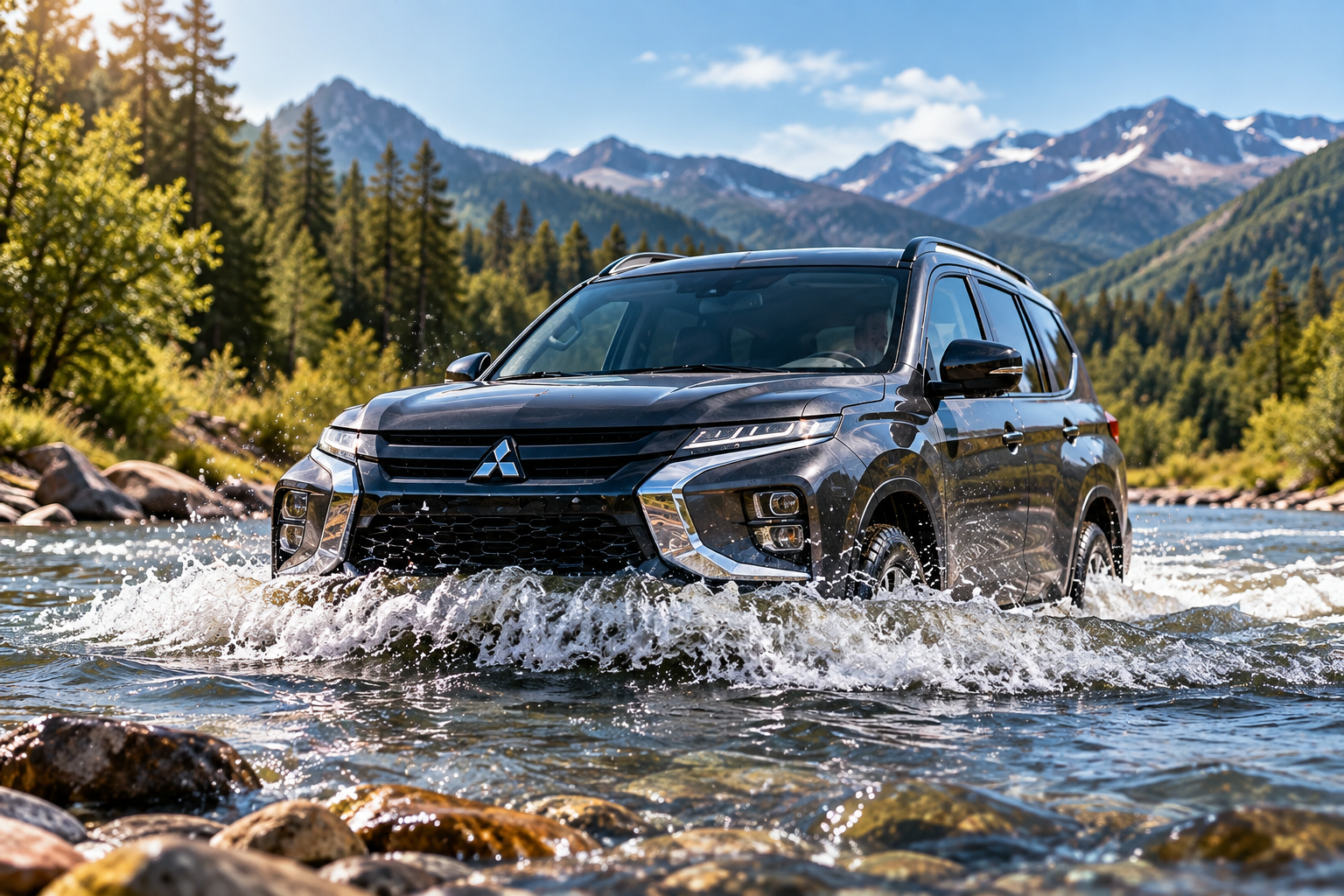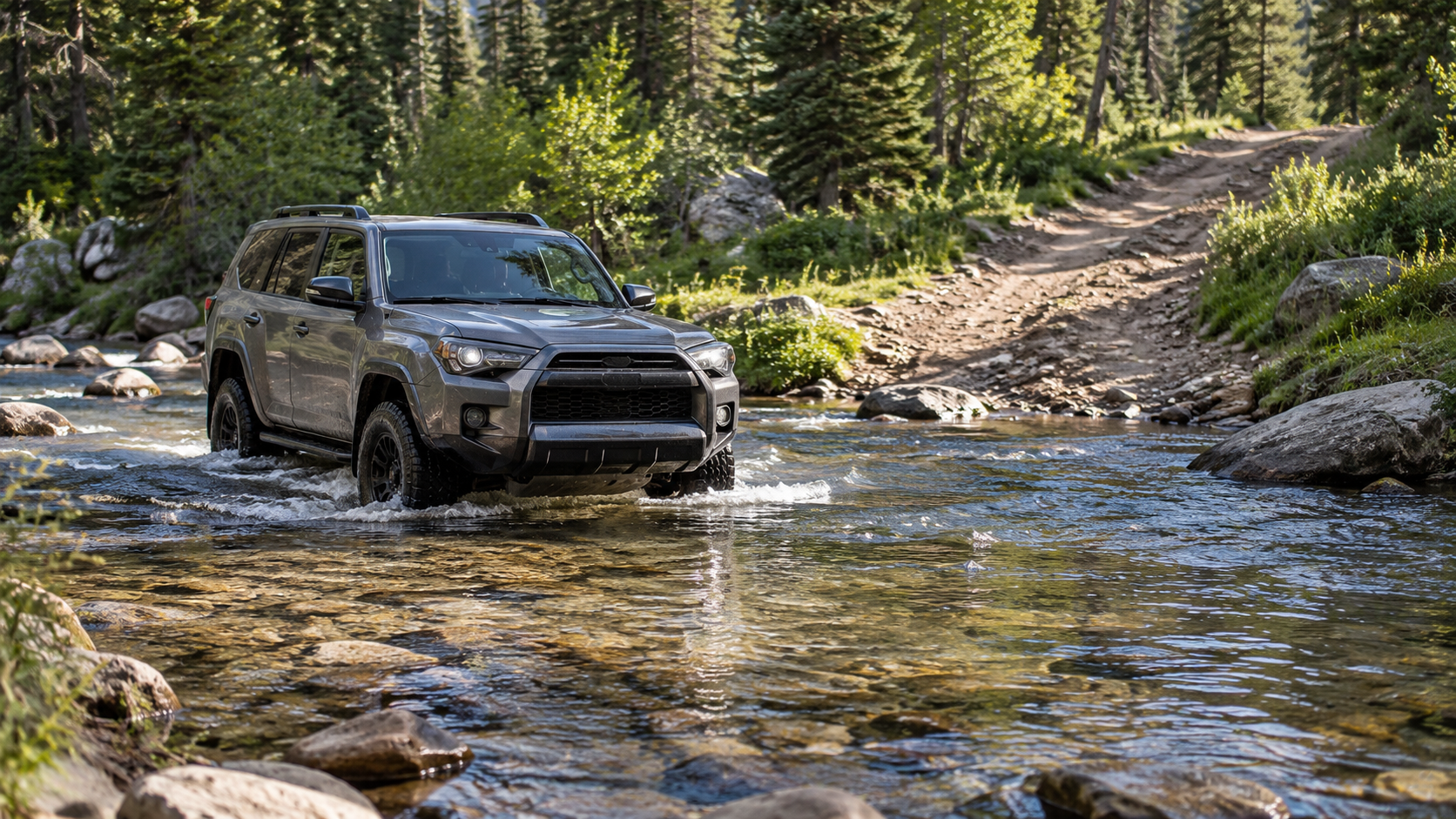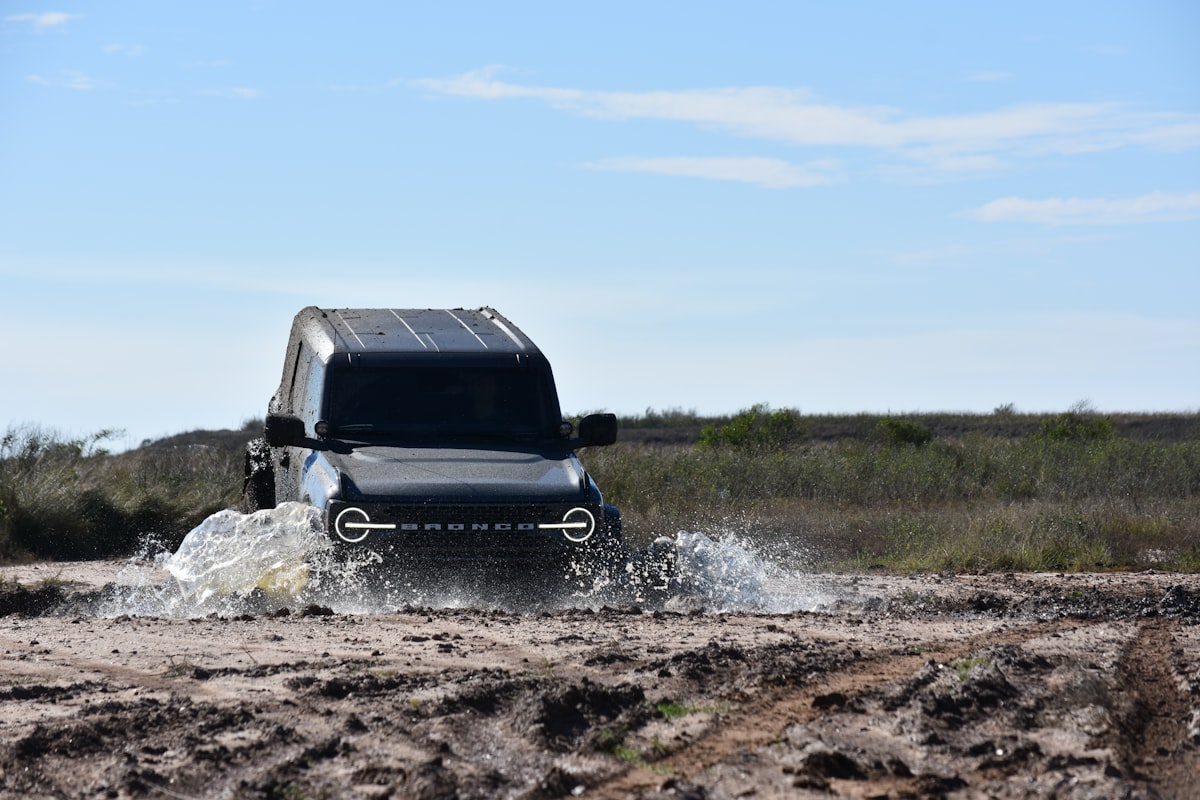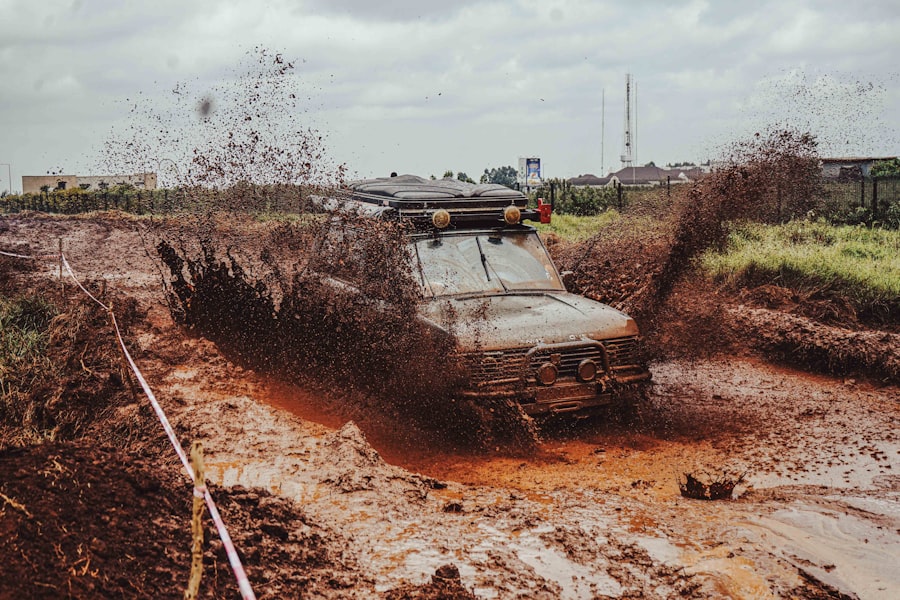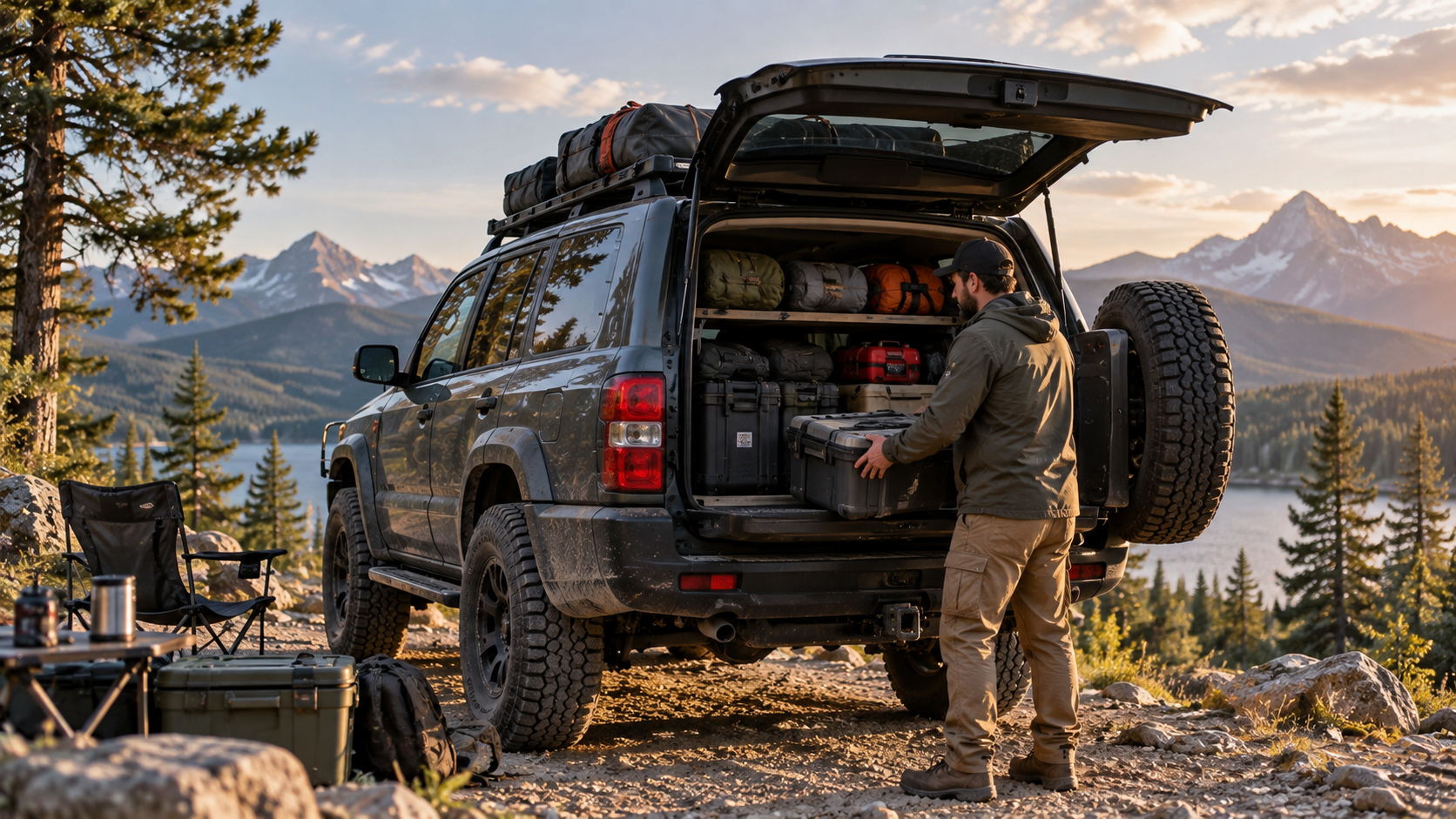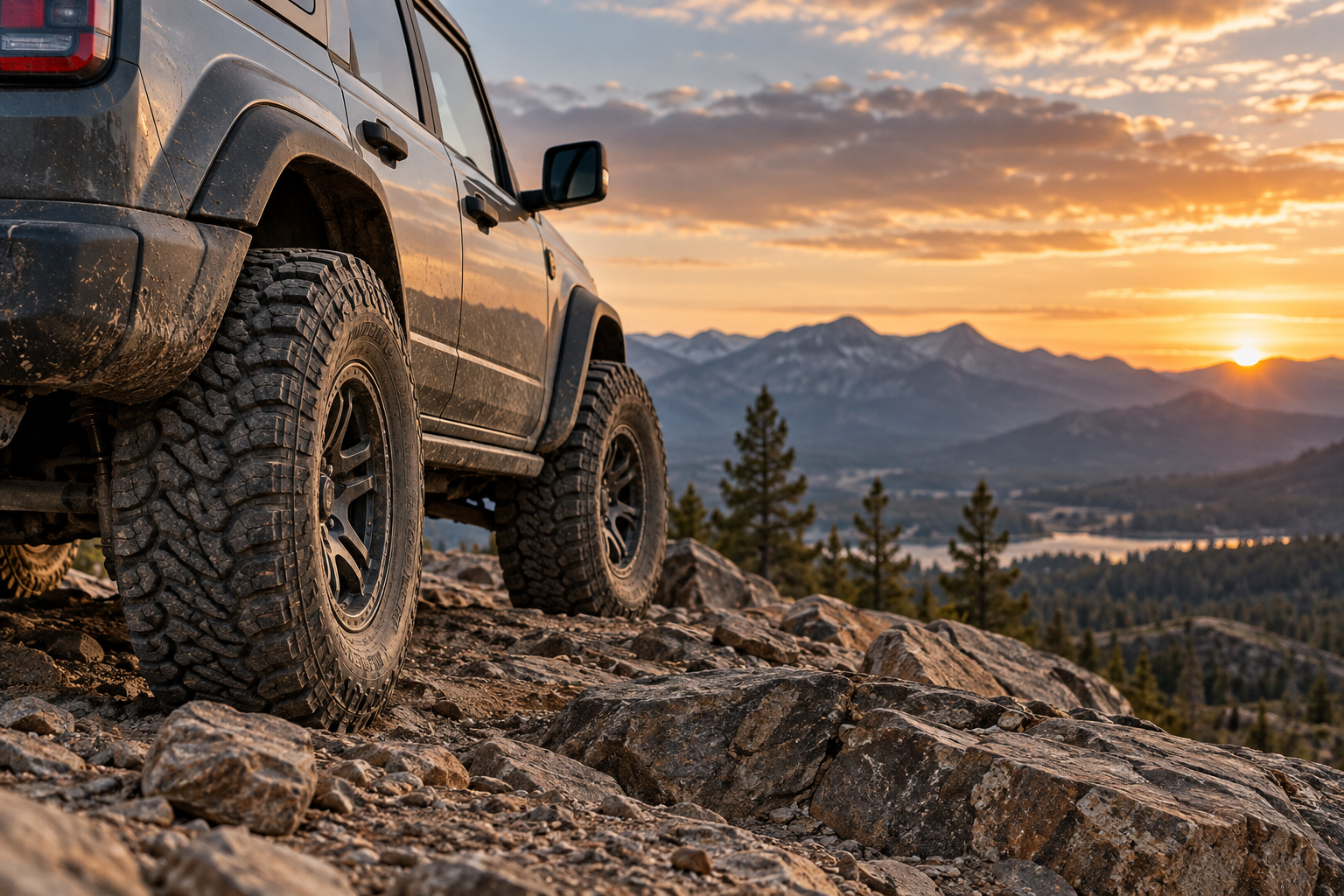
Most people build their first rig backwards. They buy the biggest tires the wheel wells can fit, bolt on a lift kit before they've aired down on an actual trail, and only afterward discover that the suspension geometry is fighting the new tire size, the recovery points are still the stock tow hooks, and nothing on the truck has been tested past a gravel fire road. Grit Line Motors exists to walk through the order that actually holds up — not the order that looks best in a parts-list Instagram post — because the gap between "looks capable" and "is capable" is exactly where trucks get stuck, damaged, or both.
Stock Suspension Isn't the Weak Link You Think It Is
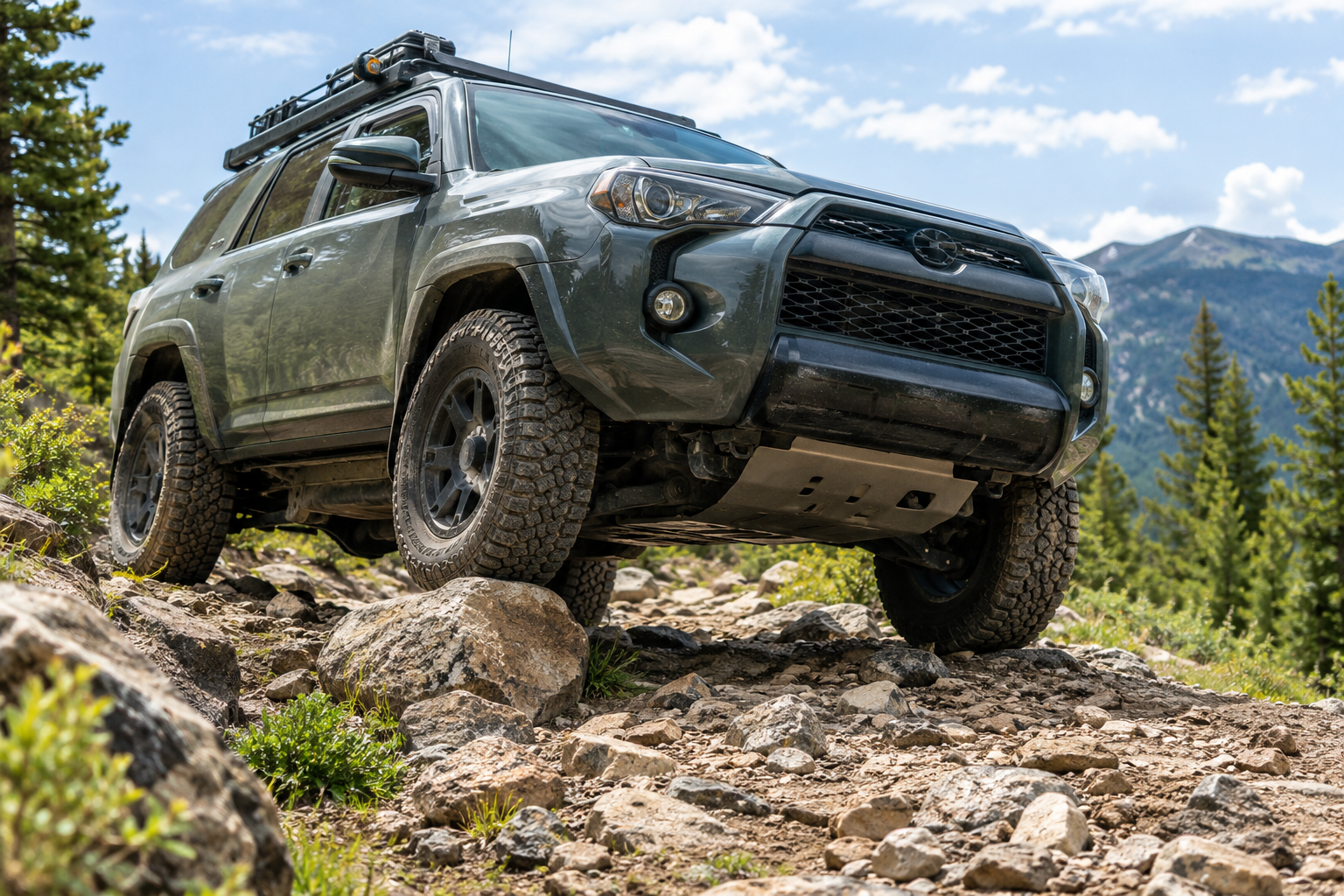
A 2-inch leveling kit and a set of All-Terrains will get most stock trucks further down a moderate trail than the owner expects. The stock suspension on nearly every modern truck or SUV is tuned conservatively, which means there's real headroom before it becomes the limiting factor — the limiting factor is almost always ground clearance and tire choice first.
A full long-travel suspension setup matters enormously once you're running higher speeds over rough terrain, but for someone learning what their truck can actually do, it's an expensive answer to a question you haven't asked yet. Spend the first season finding out where the stock setup actually struggles before paying to fix a problem you may not have.
Tires Change Everything Else You'll Ever Buy
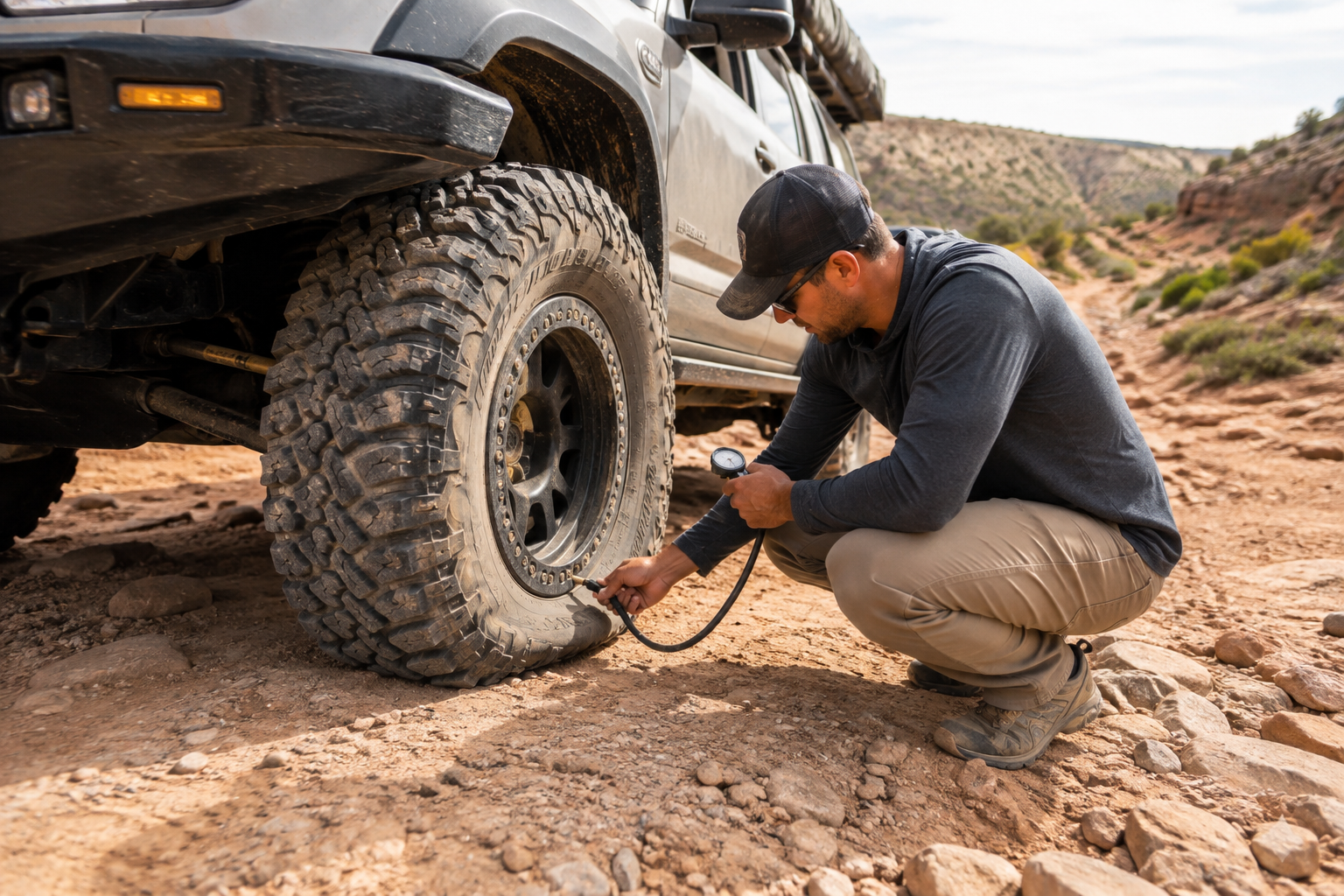
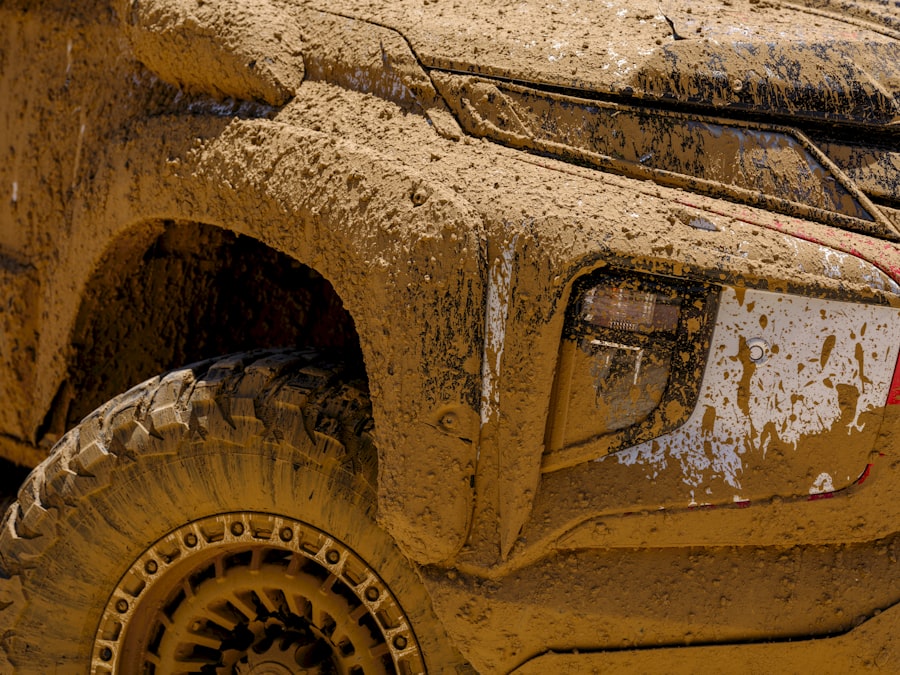
Tire choice affects gearing, fuel economy, speedometer accuracy, and how hard the drivetrain works — which makes it the one upgrade that quietly changes the math on every upgrade after it. Going up in size without a corresponding regear can leave a truck feeling sluggish and working harder than it should, especially with anything larger than a mild-terrain tire.
Tread pattern matters more than size for most terrain. A well-chosen all-terrain in the right size will out-perform an oversized mud-terrain that the truck's gearing was never set up to turn efficiently. The tire is the only part of the truck actually touching the trail — everything else is just deciding how well it can use that contact.
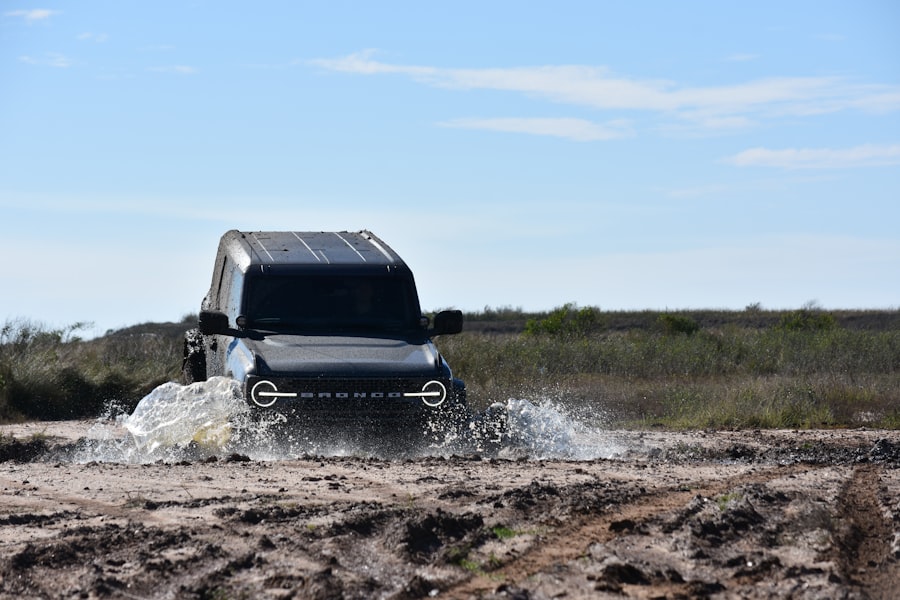
Recovery Gear Is Not Optional, It's Insurance
A kinetic recovery rope, real rated recovery points, a set of traction boards, and a shovel cost less than a single tow bill from a trail fifteen miles from cell service. The mistake most new builders make is treating recovery gear as something to buy after the truck gets stuck for the first time — by which point they're already stuck, alone, and improvising with whatever's in the bed.
Rated recovery points bolted to the frame matter as much as the strap itself. The factory tow hooks on most trucks are rated for towing on pavement, not for absorbing the load of a kinetic recovery, and using them that way is how bumpers end up in the dirt next to the truck they were supposed to help.
Armor: Knowing What to Protect First
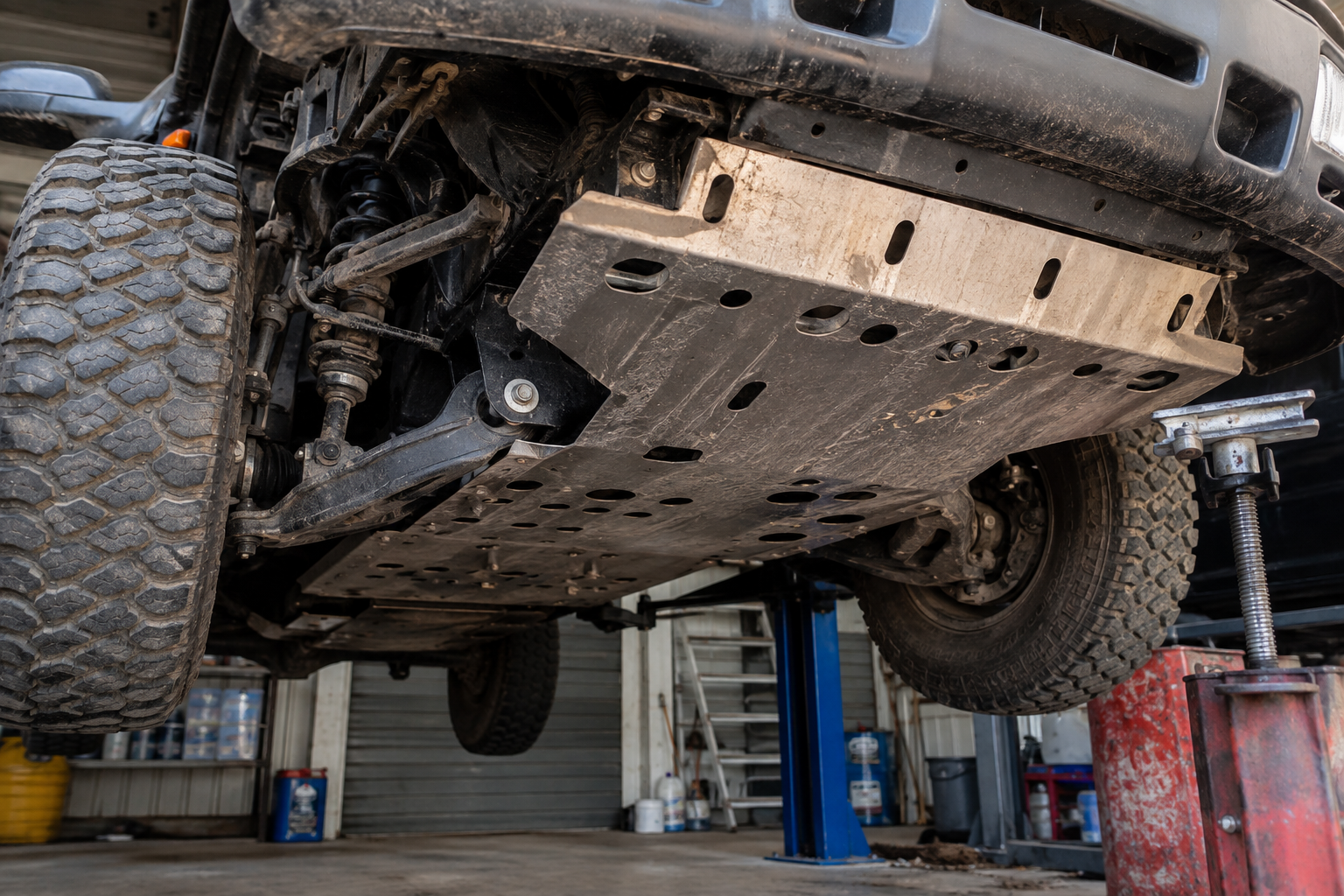
Rock sliders earn their keep faster than almost any other upgrade, because a dented factory step rail is a cosmetic problem and a caved-in rocker panel near the fuel line is not. Skid plates for the transfer case and fuel tank come next — both sit low, both are expensive to replace, and both are exactly what a sharp rock is aiming for on a rutted climb.
Front and rear bumpers with real recovery points are worth prioritizing over anything purely cosmetic. A winch is only as useful as the mount and the recovery point it's anchored to, and building armor in the wrong order means paying twice when the "temporary" factory bumper turns out to be the actual bottleneck.
Gearing and Lockers: The Upgrade Nobody Explains Well
A locking differential sounds like an advanced upgrade reserved for serious builds, but it solves a very specific, common problem: one wheel in the air or on loose dirt spinning uselessly while the wheel with traction does nothing. For anything beyond mild trails, a rear locker does more for actual capability than another inch of lift.
Regearing only becomes necessary once tire size has moved far enough from stock that the engine is working outside its efficient range. It's a bigger, more expensive job than most first-time builders expect, which is exactly why tire size should be chosen with the regear cost in mind, not decided first and dealt with later.