
A trail rated "moderate" on a website with no timestamp can mean something very different depending on what the last two weeks of weather did to it. Ratings assume a baseline vehicle, baseline tires, and baseline conditions — and none of those three baselines are visible in a single difficulty number. The habit that actually keeps people from getting stuck isn't memorizing a rating scale; it's knowing what the rating doesn't tell you.
What a Rating Actually Assumes
Most trail difficulty scales are built around a stock high-clearance 4x4 on all-terrain tires, in dry, recently-traveled conditions. A "moderate" rating under those assumptions can become genuinely difficult in a stock SUV with street tires, or trivial in a built rig with locked differentials and 35-inch tires — the same trail, two completely different experiences, and the rating number never changes to reflect either.
Treat the published rating as a starting point for your specific vehicle, not a verdict. The real question is always "moderate for what truck," and the rating rarely answers that — and it's also worth knowing what a higher rating usually means for your underbody armor needs before assuming stock ground clearance is enough.
Weather Rewrites the Rating Faster Than Websites Update It
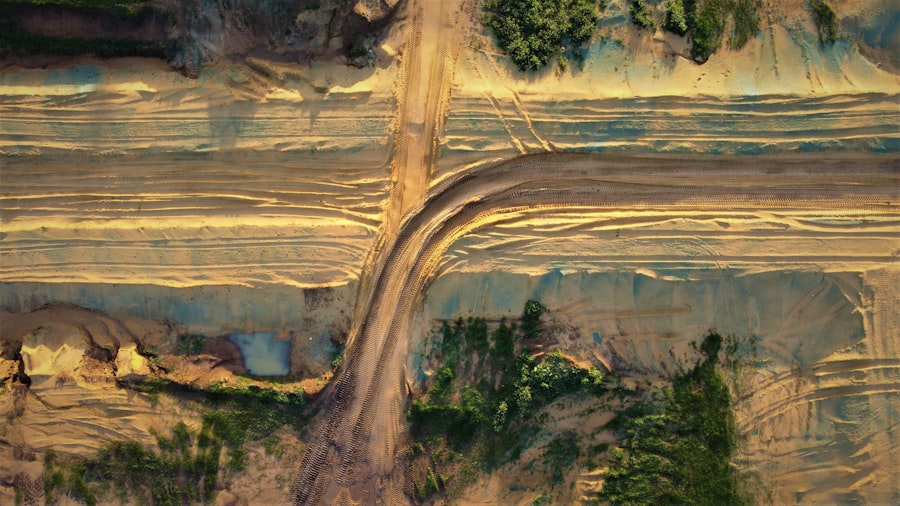
Recent rain can turn a dry, grippy clay climb into an unpassable skating rink, and a rockfall or washout can add an obstacle that wasn't there when the trail was last rated. Trail difficulty databases are updated far less often than conditions actually change, which means the rating you're reading might describe a trail that no longer exists in that form.
Checking a regional weather history for the past two weeks takes less time than packing the truck, and it tells you more about what to expect than the rating itself does.
Recent Trip Reports Beat the Official Rating
A trip report posted within the last week or two, ideally with photos, tells you what the trail is actually doing right now — standing water, a fresh obstacle, a closure — in a way no static rating can. Forums and trail apps with community-submitted reports are worth checking specifically for recency, not just star ratings, since a five-star review from two years ago says nothing about this weekend.
If no recent reports exist for a trail you're unfamiliar with, that absence of information is itself worth treating with caution rather than assuming "no news is good news."