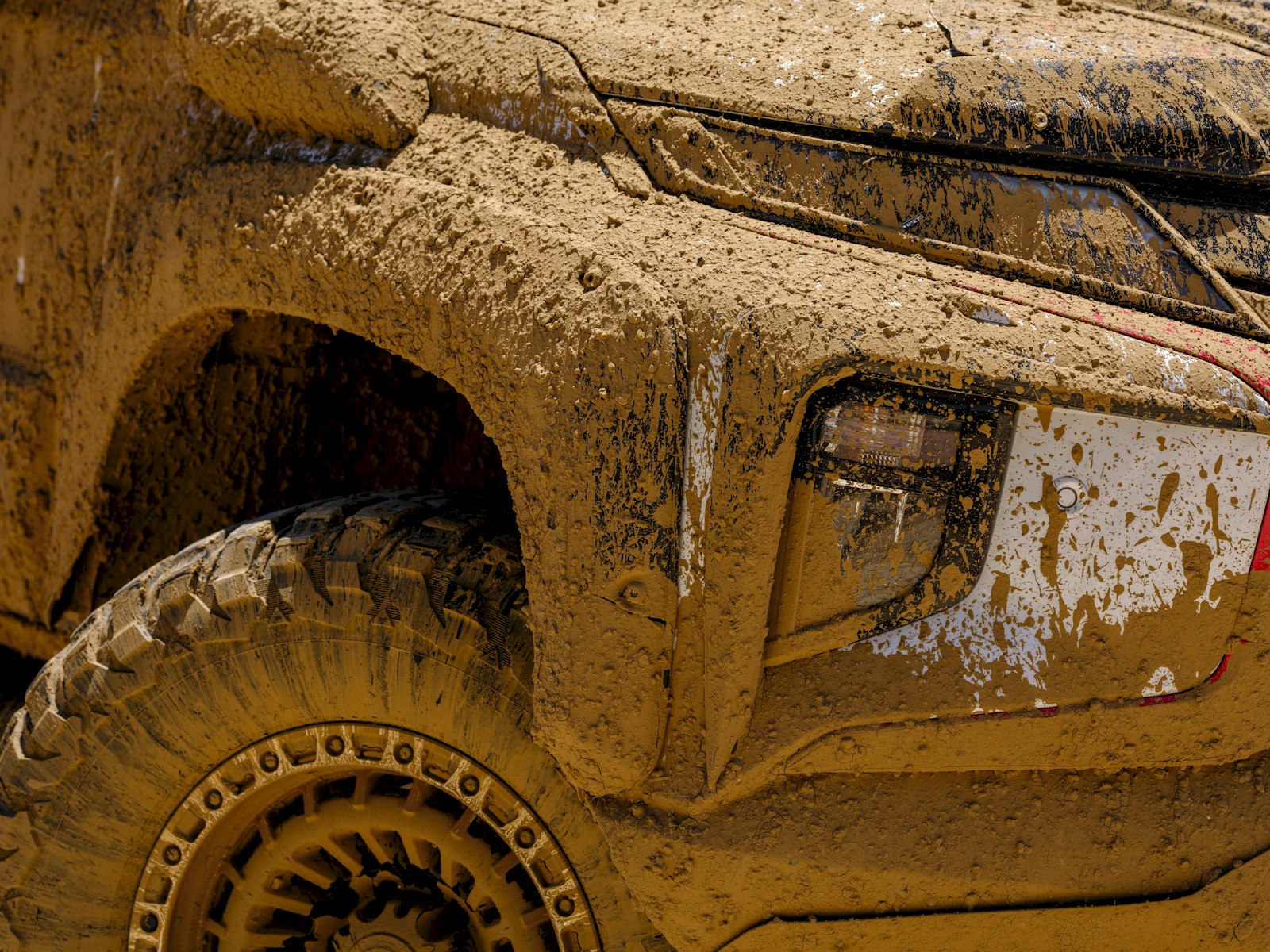
Every tire manufacturer's marketing photo shows a mud-terrain tire crawling through axle-deep bog, because that's the image that sells. Most owners of that same tire spend ninety percent of their miles on pavement, in rain, or on a gravel forest road — conditions where an aggressive mud tire is louder, thirstier, and often less composed than the all-terrain it replaced. Choosing a tread pattern for the ten percent of driving you do occasionally, at the cost of the ninety percent you do daily, is the most common — and most avoidable — mistake in a build.
All-Terrain: The Honest Default for Most Drivers
A good all-terrain tire handles rain, snow, gravel, and moderate trail conditions competently without turning the daily commute into a compromise. Road noise stays manageable, tread life is respectable, and the on-road manners stay close to a highway tire's — which matters more than it sounds like it should when the truck is also the family vehicle.
Where all-terrains fall short is deep mud and loose, wet rock, where the tighter void pattern between tread blocks packs up with debris and stops clearing itself. For a truck that sees the trail on weekends and pavement the rest of the week, that trade-off is usually the right one.
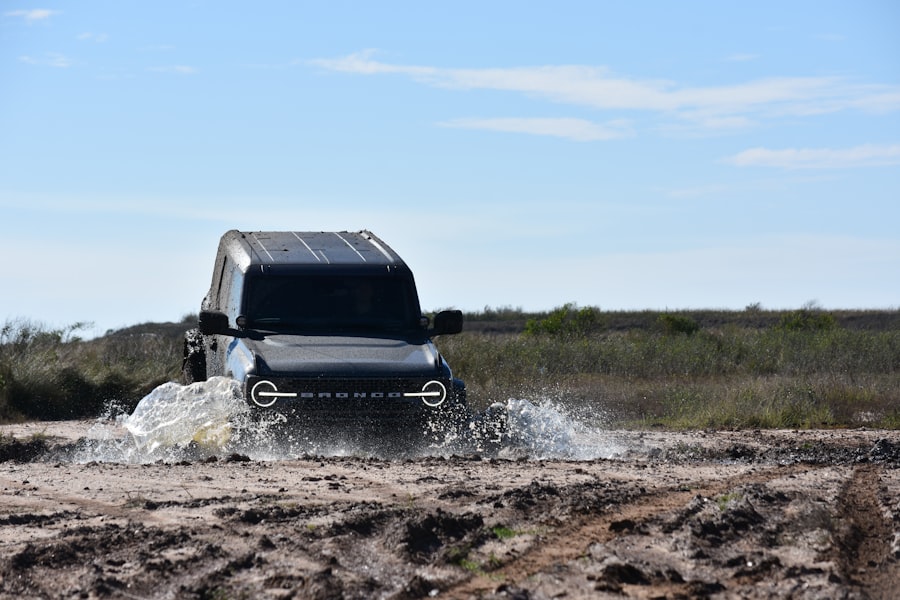
Mud-Terrain: Earned by the Terrain, Not the Look
Mud-terrain tires use larger, more aggressive tread blocks with wider gaps that self-clean in soft, sticky conditions — genuinely necessary if a truck regularly sees deep mud, wet clay, or loose rock climbs where an all-terrain would pack up and lose traction. That aggressive tread comes with a real cost: louder cabin noise, reduced fuel economy, and less predictable braking on wet pavement.
The honest question before buying mud-terrains isn't "would these look right on my truck" — it's "does my regular terrain actually require what these give up on the road to get it."
Hybrid Terrain Tires: The Middle Ground That Usually Wins
Hybrid, or "rugged terrain," tires split the difference — a more aggressive tread than a standard all-terrain, without going as far as a full mud-terrain's road manners and noise penalty. For a truck that sees moderate trails regularly but still commutes daily, a hybrid tire is frequently the tread that actually matches the use case, rather than the one that photographs best.
The trade-off is real but smaller in both directions: slightly worse on-road behavior than a pure all-terrain, slightly less capable in genuinely deep mud than a dedicated mud-terrain. For most builds, that middle ground is exactly where the actual driving happens.